
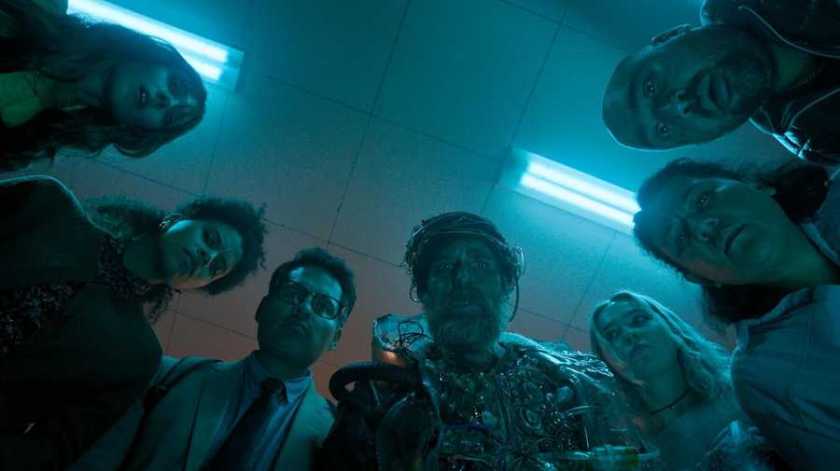
Gore Verbinski really made a mark for himself with the Pirates of the Caribbean trilogy and The Ring just before that. But he hasn’t had a feature film since 2016’s A Cure for Wellness—until now, with Good Luck, Have Fun, Don’t Die. An enigmatic title that’s as curious as the film’s protagonist. While it doesn’t quite deliver some of the things Verbinski is most known for, it is a satirical cinematic experience that’s quite reflective of the times we find ourselves in.
Good Luck, Have Fun, Don’t Die is a satire about AI with clear references to cinema history. A man from the future (Sam Rockwell) arrives in a well-known Los Angeles diner to recruit his team on a quest to save the world. Those in the diner are understandably scared and skeptical. However, a few patrons can’t resist the sincerity of his claims—or are just too freaked out to refuse the call to action. Motivated and terrified, the team sets out to do what no one has been able to do so far: stop the impending AI overlord from taking over.
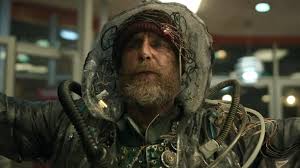
In some ways, the film carries an “old man yelling at a cloud” kind of energy, but it also speaks truth to many concerns that feel very real right now. The film utilizes flashbacks to help us understand the mental state of certain characters as well as the larger world, one where events are aligning for AI to seize control. While these flashbacks may feel like a storytelling crutch that prolongs the film, the cast really helps the film maintain its momentum.
Two different character threads—one featuring Michael Peña and Zazie Beetz, and the other Juno Temple—are centered around schools. It’s an extremely interesting and poignant concept pulled from the unique science-fiction framework the film operates within. Some elements are a bit on the nose and emphasize the “old man” complaints about technology and generational shifts, but they still ring somewhat true. Yet, these aren’t just scenes of satire meant to skewer lazy Gen-Z stereotypes. They become an essential plot setup that lands later in the film in meaningful ways.
Haley Lu Richardson and Rockwell are the clear standouts. While the aforementioned cast members get great moments and are quite engaging, Richardson and Rockwell are the pivotal performances that will make or break a viewer’s enjoyment of the film. For me, they were phenomenal and ultimately won me over.
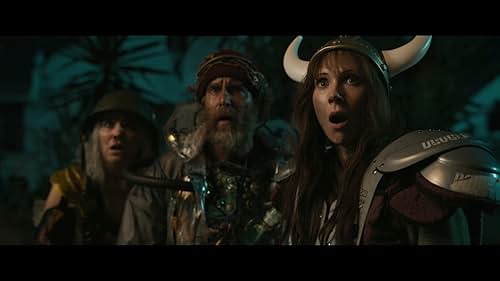
Verbinski is known for unique visuals and compelling camerawork. As forgettable as A Cure for Wellness has been in the cultural conversation, there are still specific shots — several that were featured in the trailer — burned into my memory. Good Luck, Have Fun, Don’t Die doesn’t quite have anything that striking. Some CG moments may linger with you, but nothing revolutionary or visually jaw-dropping. Certain aesthetic choices could be attributed to the genre the film grounds itself in, but overall, it looks a bit sludgy for a director of Verbinski’s visual pedigree.
Fans of post-apocalyptic or apocalyptic science fiction will either be thrilled or annoyed by the direct references the film leans on. Good Luck, Have Fun, Don’t Die feels both familiar and incredibly relevant to the trouble we ironically find ourselves in. Warnings from science fiction’s past were ignored in our real world, and now we’re left wondering if our futuristic fiction is about to become our modern-day master. Movies can, and often should, make you reflect and ponder the state of humanity. This film does that—and manages to make our impending doom feel just a little bit silly. There’s an optimistic sheen that Rockwell’s natural smartass charisma paints over the potential apocalypse.
Good Luck, Have Fun, Don’t Die is in theaters now.
Rating: 4/5
 Berkreviews.com