
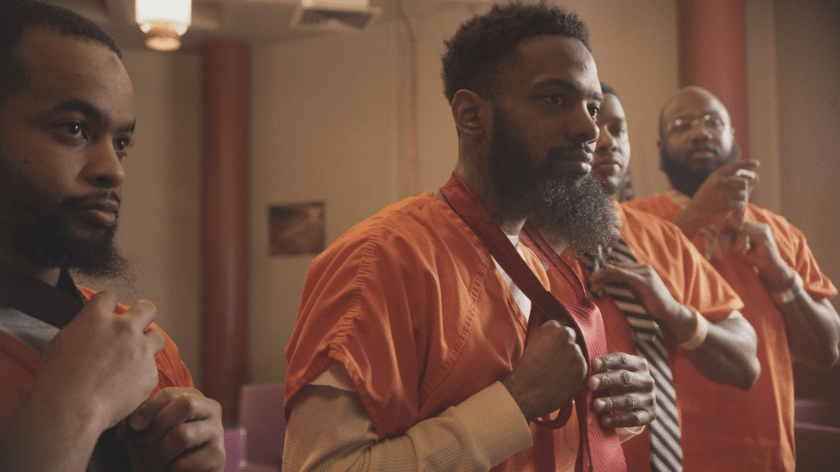
Documentaries are often able to allow a glimpse into another’s world that hits an emotional core. Daughters, a new documentary by directors Angela Patton and Natalie Rae, takes the audience into two worlds: incarcerated fathers, and the lives of the daughters they consequently left behind. The idea alone is an emotionally charged one, but the true premise of the film supercharges it. The film showcases a new program allowing a Daddy Daughter Dance in a Washington, D.C., jail.
This is one of the few movies that you may start crying simply from its opening moments. There are images and video clips of fathers with their daughters – and given the circumstances, it makes for a strong opening montage. It establishes the value of such a program before diving deeper into the people who are directly impacted by the system, and how this opportunity can help build additional opportunities for both fathers and daughters.
At this point, the film begins to introduce each father and daughter who will be the focus of the film. We learn who the children are and what their fathers did to end up in jail. The fathers are mostly filmed in group sessions, preparing for the upcoming dance. They sit in a circle and discuss a variety of topics, from their nicknames to parenting tips. These scenes are more impactful than some of the young girls talking to the camera.
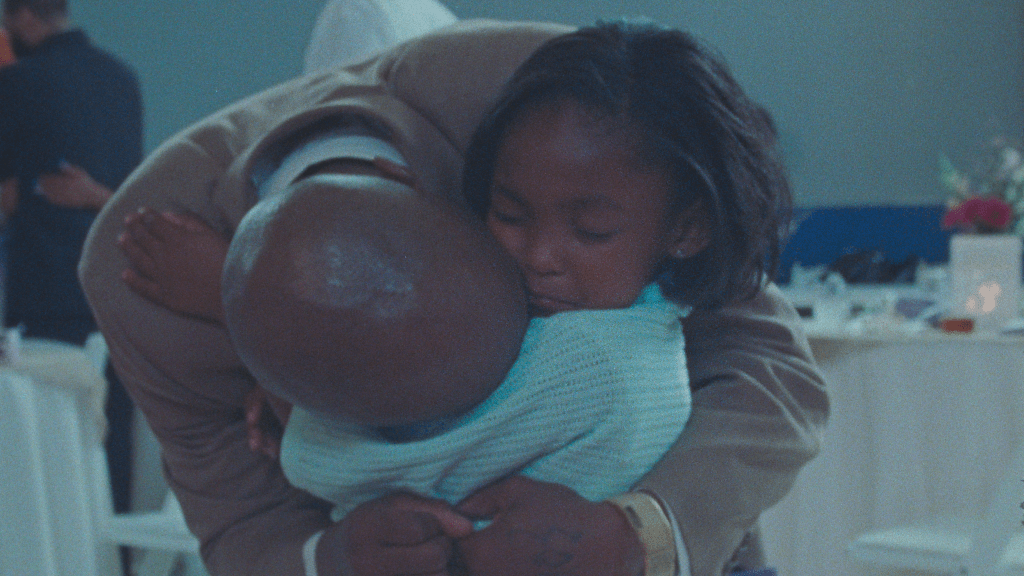
One flaw with putting a younger person in front of a camera is their natural instinct to entertain. One young girl often discusses whatever thought pops into her mind as it occurs. Another girl, a little more angry about her situation, chooses to complain and vent about everything in an “I’m too grown up” mindset. While there is truth in the things the girls say, it is understandably shrouded in a performance prompted by the mere fact that they are being filmed. These moments give some insight into the girls, but we don’t truly get to see them until they are at the dance and interacting with their fathers. It becomes clear when their facades break, which also bears a strong emotional weight.
The premise of the documentary carries so much pathos, that it is slightly annoying to see the planned emotional manipulation of the filmmaking. Movies always use music to heighten the emotions of scenes, but other elements of sound design feel out of place in a documentary. One particular moment features one of the little girls who appears to be spacing out. The sound design adds a feedback-type sound to emphasize that she’s lost in thought, and the idea that she is upset about her father is put into our heads. It is an assumption that audiences probably would have made, but adding that layer of sound feels out of place in a documentary. It at least raises the question of the filmmaker’s intent: are they trying to show us reality, or create one?
Daughters is a powerful film that does a good job of introducing us to the individual subjects of the film but avoids tackling the bigger issues presented in it. Parents watching this film will hopefully empathize with the plight of the fathers. It will be even easier to connect with the young girls whose lives have forever been affected by the choices and actions of other people. Most importantly, it serves as a bold reminder that one mistake doesn’t have to destroy everything we’ve built. There is hope out there, even if it is buried in the wake of bad decisions.
Daughters will be in select theaters on August 9, and streaming on Netflix starting on August 14.
Rating: 3.5/5
 Berkreviews.com